
Home Improvement, Roofing Tips

Maintaining your home is a crucial part of being a homeowner. From your roof, to windows and doorways, to your foundation, there are a lot of aspects of your home you should be keeping an eye on. Understanding how weather can affect your home can better equip you to maintain it and proactively handle any potential problems or damage as they come up.
Generally, knowing what could cause damage to your home will make it easier to know when (and what) you should be looking for regarding any signs of damage. Catching things early on and calling upon an expert for maintenance can lessen the impact any problems have on your home.
Being in the South and near the coast, we can get hit with some extreme weather from time to time so it’s helpful to understand how weather, specifically the type present in the Lowcountry, can affect your home. Doing so will help keep your house protected and reduce the chances of you getting caught off guard with a major problem.
All of these weather elements have the potential to cause damage to your home, so it’s important to be aware of these things in case your home experiences any of them. If you’re unsure how your roof or any other part of your home is weathering these elements, then the New Beginnings Construction team is always available to perform a thorough inspection and make sure your home stays in good shape.
Wind
Wind has the ability to damage your home in multiple ways. Being near the coast, we tend to get a lot of wind from time to time, especially during hurricane season. One major way that the wind can pose a risk to your home is by damaging the trees that surround your home.
If you have trees on your property that are located near your house, then it’s possible that they pose a quiet and unforeseen hazard. Dying trees or dead limbs are much more susceptible to damage due to strong winds. When blown loose by strong winds, unhealthy trees or heavy, dead limbs can pose a major hazard to your home’s surrounding power lines, roof and windows. If you have concerns about the trees surrounding your home, then it’s best to consult an expert that can help identify which ones pose the most risk so that they can be safely removed from your property.
Another common way that wind can cause damage to your home is by damaging your roof’s shingles. Strong winds have the potential to lift shingles up or even blow them off completely, leaving your roof vulnerable to additional damage. When your roof’s shingles are damaged by wind, further damage can happen when rain gets under the shingles, causing leaks on your ceiling and possibly even water damage to your walls. The strong wind that homes face in the Lowcountry is good to know so that you can intervene before any minor damage becomes severe.
Salty Air
If you live near the coast then you probably relish in the enjoyment you get from being so close to the water. Afterall, seaside homes are highly coveted in this area for the close proximity they have to the beautiful sand, ocean breeze and seaside waves.

While living near the beach is certainly something to be proud of, an undeniable reality is that seaside homes will always come with more maintenance than homes further inland. One reason behind this is something that homeowners tend to overlook, but overtime, even the salty air of seaside living can take its toll on your home.
Prepping the exterior of your home so that it’s equipped to withstand the abrasive salty air is one way to minimize costly damage. For example, using weatherproof paints and finishes on your home’s exterior and treating metal fixtures and fittings accordingly can help increase your home’s durability and keep it protected from the elements.
Sun
Living in the Lowcountry and closer to the coast, it’s not uncommon for homes to have little to no shade compared to other parts of the country. While sunny days are usually seen as a perk of living in this area, the strong UV rays do pose a risk to your home. If your home receives a lot of unobstructed sun, then it’s likely that overtime, your roof will begin to show damage thanks to the UV rays.
After constant, regular sun exposure, most roofs will start to show wear, usually in the form of dry shingles. Shingles that have been dried by the sun provide your roof with less protection, making it more susceptible to other risks. Regular roof inspections can catch these problems early on and help mitigate any damage.
Water
Moisture can pose a threat to your home in multiple ways. Living in the Lowcountry, we tend to see a lot of moisture – either in the form of humidity, rainfall or even flooding. Any form of moisture can wreak havoc on your home’s major systems and structures so it’s important to evaluate potential risks early and often.
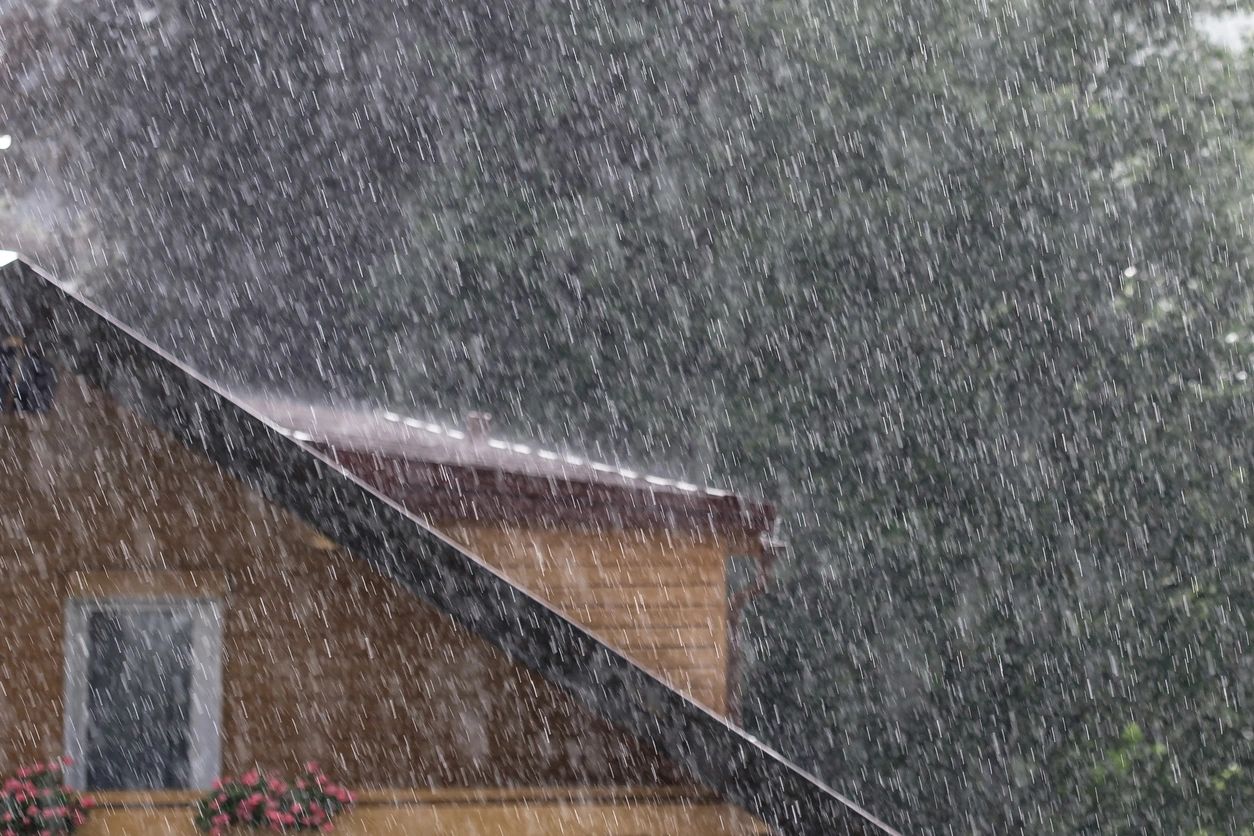
For one, heavy rain or hail can weaken the protective coating of your roof’s asphalt shingles, increasing the chances of future rain causing damage through the shingles’ weak spots. Additionally, with the amount of humidity we face, it’s important to make sure that all spaces in your home are well ventilated. Moisture build up can cause mold, be corrosive to fixtures and lead to wood rot.
It’s important to know how these common weather elements can cause damage to your home. We recommend regular, yearly roof inspections to stay on top of any potential damage or small problems that could lead to bigger problems. We provide free roof inspections to make keeping track of your roof’s health easy. Insurance is more likely to cover any roof damage if it’s addressed early on, so staying on top of the shape your roof is in is not only good for your home, but good for your wallet as well!
